Mastering the Spanish Subjunctive Mood: A Comprehensive Guide
The Spanish subjunctive mood can be daunting for learners, yet it’s essential for expressing doubts, desires, emotions, and hypothetical situations. Unlike the indicative mood, which states facts, the subjunctive deals with subjectivity and uncertainty.
Grasping the subjunctive is key to achieving fluency and nuance in Spanish. This guide provides a structured approach to understanding its formation, usage, and common pitfalls.
This article is designed for intermediate to advanced Spanish learners who want to move beyond basic communication and express themselves with greater accuracy and sophistication.
By mastering the Spanish subjunctive, you’ll unlock a deeper understanding of the language and be able to express yourself with greater nuance and precision. Whether you’re a student, a traveler, or simply a language enthusiast, this guide will equip you with the knowledge and tools you need to confidently navigate the complexities of the subjunctive mood.
Table of Contents
- Definition of the Subjunctive Mood
- Structural Breakdown of the Subjunctive
- Formation of the Subjunctive
- Usage Rules of the Subjunctive
- Examples of Subjunctive Usage
- Common Mistakes with the Subjunctive
- Practice Exercises
- Advanced Topics
- Frequently Asked Questions
- Conclusion
Definition of the Subjunctive Mood
The subjunctive mood in Spanish is a verb form used to express subjectivity. Unlike the indicative mood, which is used for stating facts and certainties, the subjunctive expresses doubts, wishes, emotions, possibilities, necessities, and other non-factual or hypothetical situations. It is typically found in subordinate clauses, often introduced by conjunctions like que (that) or si (if). The subjunctive is not a tense itself, but rather a mood that can exist in various tenses, such as the present subjunctive, imperfect subjunctive, and perfect subjunctive.
The subjunctive is essential for conveying nuanced meaning in Spanish. It allows speakers to express their opinions, feelings, and reactions to events, rather than simply stating them as facts.
Mastering the subjunctive is crucial for achieving fluency and understanding complex sentence structures. The proper use of the subjunctive can drastically change the meaning of a sentence, so it’s important to understand its function and how to form it correctly.
Consider the following examples to illustrate the difference between the indicative and subjunctive moods:
- Indicative: Sé que él está aquí. (I know that he is here.) – This states a fact.
- Subjunctive: No creo que él esté aquí. (I don’t believe that he is here.) – This expresses doubt.
Structural Breakdown of the Subjunctive
The subjunctive mood typically appears in subordinate clauses, which are dependent on a main clause. The main clause often contains a verb that triggers the subjunctive in the subordinate clause.
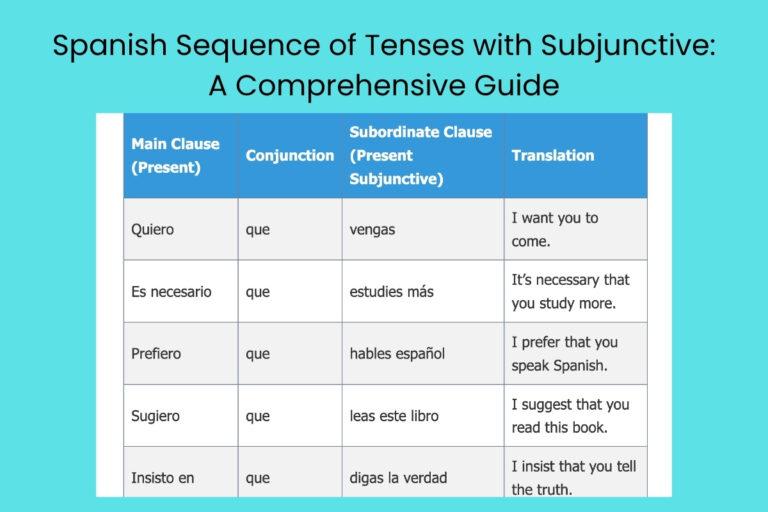
These “trigger” verbs usually express doubt, desire, emotion, request, or impersonal opinions. The structure often follows this pattern: Main Clause + *que* + Subordinate Clause (in the subjunctive mood).
Understanding the structure helps identify when the subjunctive is needed. The main clause provides the context, and the presence of certain verbs or expressions signals the need for the subjunctive in the following clause.
The *que* acts as a bridge connecting the two clauses and introducing the subjunctive mood. Recognizing these triggers is the first step in using the subjunctive correctly.
For example, in the sentence “Es importante que estudies” (It’s important that you study), “Es importante” is the main clause, which expresses an impersonal opinion. This triggers the subjunctive in the subordinate clause “que estudies“. The word “que” connects the two clauses and introduces the subjunctive form of the verb “estudiar“.
Formation of the Subjunctive
The subjunctive mood has several tenses, each with its own formation rules. The most common are the present subjunctive and the imperfect subjunctive.
The perfect and pluperfect subjunctive are also used, although less frequently. The future subjunctive is rarely used in modern Spanish.
Present Subjunctive
The present subjunctive is formed from the yo form of the present indicative. For -ar verbs, change the -o ending to -e.
For -er and -ir verbs, change the -o ending to -a. This “switch” is a key characteristic of the present subjunctive formation.
Irregular verbs in the yo form of the present indicative will maintain their irregularity in the present subjunctive stem.
For example, the verb *hablar* (to speak) has the yo form *hablo*. To form the present subjunctive, drop the -o and add -e: hable, hables, hable, hablemos, habléis, hablen. Similarly, for the verb *comer* (to eat), the yo form *como* becomes coma, comas, coma, comamos, comáis, coman.
Here’s a table illustrating the present subjunctive conjugation of regular verbs:
| Verb | Yo | Tú | Él/Ella/Usted | Nosotros | Vosotros | Ellos/Ellas/Ustedes |
|---|---|---|---|---|---|---|
| Hablar (to speak) | Hable | Hables | Hable | Hablemos | Habléis | Hablen |
| Comer (to eat) | Coma | Comas | Coma | Comamos | Comáis | Coman |
| Vivir (to live) | Viva | Vivas | Viva | Vivamos | Viváis | Vivan |
Some verbs have irregular present subjunctive forms. Common irregular verbs include ser (sea), ir (vaya), haber (haya), estar (esté), and saber (sepa). Memorizing these irregular forms is essential for accurate subjunctive usage.
Imperfect Subjunctive
The imperfect subjunctive has two possible forms, both derived from the third-person plural (ellos/ellas/ustedes) of the preterite (past) indicative. To form the first imperfect subjunctive form, drop the -ron ending from the preterite ellos/ellas/ustedes form and add -ra, -ras, -ra, -ramos, -rais, -ran.
To form the second imperfect subjunctive form, drop the -ron ending and add -se, -ses, -se, -semos, -seis, -sen. Both forms are equally correct and interchangeable, although the -ra form is generally more common.
For example, the preterite ellos/ellas/ustedes form of *hablar* is *hablaron*. Dropping the -ron and adding the endings, we get: hablara, hablaras, hablara, habláramos, hablarais, hablaran and hablase, hablases, hablase, hablásemos, hablaseis, hablasen. Both sets of conjugations are correct.
Here’s a table illustrating the imperfect subjunctive conjugation of regular verbs:
| Verb | Yo | Tú | Él/Ella/Usted | Nosotros | Vosotros | Ellos/Ellas/Ustedes |
|---|---|---|---|---|---|---|
| Hablar (to speak) (-ra form) | Hablara | Hablaras | Hablara | Habláramos | Hablarais | Hablaran |
| Comer (to eat) (-ra form) | Comiera | Comieras | Comiera | Comiéramos | Comierais | Comieran |
| Vivir (to live) (-ra form) | Viviera | Vivieras | Viviera | Viviéramos | Vivierais | Vivieran |
| Hablar (to speak) (-se form) | Hablase | Hablases | Hablase | Hablásemos | Hablaseis | Hablasen |
Verbs that are irregular in the preterite will also be irregular in the imperfect subjunctive. For example, the preterite ellos/ellas/ustedes form of *ser* (to be) is *fueron*, so the imperfect subjunctive forms are fuera/fuese, fueras/fueses, fuera/fuese, fuéramos/fuésemos, fuerais/fueseis, fueran/fuesen.
Future Subjunctive (Rare)
The future subjunctive is formed by dropping the -ron ending from the third-person plural of the preterite and adding -re, -res, -re, -remos, -reis, -ren. It is rarely used in modern Spanish, typically found only in legal or formal documents.
Its function is to express a future action or condition in a subordinate clause. Due to its limited usage, it is not a priority for most learners.
Example: Si alguien lo hiciere (If someone should do it).
Perfect Subjunctive
The perfect subjunctive is a compound tense formed with the auxiliary verb *haber* in the present subjunctive plus the past participle of the main verb. It expresses an action that has been completed before another action in the present subjunctive or before the present moment.
The structure is: *haya + past participle*.
For example: Espero que hayas comido (I hope that you have eaten).
Pluperfect Subjunctive
The pluperfect subjunctive is a compound tense formed with the auxiliary verb *haber* in the imperfect subjunctive plus the past participle of the main verb. It expresses an action that had been completed before another action in the past.
The structure is: *hubiera/hubiese + past participle*.
For example: Dudaba que hubieras/hubieses llegado a tiempo (I doubted that you had arrived on time).
Usage Rules of the Subjunctive
The subjunctive mood is used in specific contexts, often triggered by certain verbs, expressions, or conjunctions. Understanding these triggers is essential for using the subjunctive correctly.
Wishes, Desires, and Hopes
Verbs that express wishes, desires, or hopes often trigger the subjunctive in the subordinate clause. Common verbs include *querer* (to want), *desear* (to desire), *esperar* (to hope), and *ojalá* (I hope/wish).
Note that *ojalá* always triggers the subjunctive.
Examples:
- Quiero que vengas a mi fiesta. (I want you to come to my party.)
- Deseo que tengas un buen día. (I wish you have a good day.)
- Espero que todo salga bien. (I hope everything goes well.)
- Ojalá que llueva café. (I wish it would rain coffee.)
Emotions
Verbs and expressions that express emotions, such as happiness, sadness, anger, fear, or surprise, also trigger the subjunctive. Common verbs and expressions include *alegrarse de* (to be happy that), *sentir* (to regret), *temer* (to fear), *sorprenderse de* (to be surprised that), and *tener miedo de* (to be afraid that).
Examples:
- Me alegro de que estés aquí. (I’m happy that you are here.)
- Siento que no puedas venir. (I regret that you can’t come.)
- Temo que sea demasiado tarde. (I fear that it’s too late.)
- Me sorprende que no lo sepas. (I’m surprised that you don’t know it.)
- Tengo miedo de que no le guste. (I’m afraid that he/she won’t like it.)
Impersonal Expressions
Impersonal expressions that express opinions, judgments, or necessities often require the subjunctive. These expressions typically start with “es” (it is) followed by an adjective. Common expressions include *es importante que* (it’s important that), *es necesario que* (it’s necessary that), *es bueno que* (it’s good that), *es malo que* (it’s bad that), and *es preferible que* (it’s preferable that).
Examples:
- Es importante que estudies para el examen. (It’s important that you study for the exam.)
- Es necesario que llegues a tiempo. (It’s necessary that you arrive on time.)
- Es bueno que hagas ejercicio. (It’s good that you exercise.)
- Es malo que fumes. (It’s bad that you smoke.)
- Es preferible que vayas en tren. (It’s preferable that you go by train.)
Doubt, Denial, and Disbelief
Verbs and expressions that express doubt, denial, or disbelief trigger the subjunctive. Common verbs and expressions include *dudar* (to doubt), *no creer* (to not believe), *negar* (to deny), *no estar seguro de* (to not be sure that), and *es dudoso que* (it’s doubtful that).
Note that if these verbs are used in the affirmative, they usually take the indicative.
Examples:
- Dudo que sea verdad. (I doubt that it’s true.)
- No creo que venga. (I don’t believe that he/she is coming.)
- Niego que haya hecho eso. (I deny that I have done that.)
- No estoy seguro de que tenga razón. (I’m not sure that he/she is right.)
- Es dudoso que podamos ganar. (It’s doubtful that we can win.)
Influence and Commands
Verbs that express influence, requests, or commands trigger the subjunctive in the subordinate clause. Common verbs include *pedir* (to ask), *recomendar* (to recommend), *insistir en* (to insist on), *sugerir* (to suggest), *mandar* (to order), and *prohibir* (to prohibit).
These verbs often involve one person influencing the actions of another.
Examples:
- Te pido que me ayudes. (I ask you to help me.)
- Recomiendo que leas este libro. (I recommend that you read this book.)
- Insisto en que vengas. (I insist that you come.)
- Sugiero que hables con ella. (I suggest that you talk to her.)
- Mando que limpies tu habitación. (I order you to clean your room.)
- Prohíbo que salgas esta noche. (I prohibit you from going out tonight.)
Subjunctive with Conjunctions
Certain conjunctions always trigger the subjunctive, regardless of the verb in the main clause. These conjunctions typically express purpose, condition, time, or concession.
Common conjunctions that trigger the subjunctive include *para que* (so that), *a fin de que* (in order that), *antes de que* (before), *en caso de que* (in case), *sin que* (without), *a menos que* (unless), *con tal de que* (provided that), and *aunque* (although) when expressing doubt or uncertainty about the outcome.
Examples:
- Lo hago para que estés contento. (I do it so that you are happy.)
- Estudio a fin de que pueda aprobar el examen. (I study in order that I can pass the exam.)
- Llámame antes de que salgas. (Call me before you leave.)
- En caso de que llueva, nos quedaremos en casa. (In case it rains, we will stay home.)
- Salí sin que me vieran. (I left without them seeing me.)
- No iré a menos que vayas tú. (I won’t go unless you go.)
- Te ayudaré con tal de que me digas la verdad. (I will help you provided that you tell me the truth.)
- Aunque no me creas, es verdad. (Even if you don’t believe me, it’s true. – Subjunctive because of doubt)
Examples of Subjunctive Usage
Here are more examples of subjunctive usage categorized by trigger type, demonstrating how the subjunctive is used in different contexts.
Table 1: Examples with Wishes and Desires
| Sentence | Explanation |
|---|---|
| Quiero que me escuches. | “Quiero” expresses a desire, triggering the subjunctive “escuches”. |
| Deseo que seas feliz. | “Deseo” expresses a wish, triggering the subjunctive “seas”. |
| Espero que vengas pronto. | “Espero” expresses hope, triggering the subjunctive “vengas”. |
| Ojalá que no llueva mañana. | “Ojalá” always triggers the subjunctive, here “llueva”. |
| Prefiero que te quedes aquí. | “Prefiero” expresses a preference, triggering “quedes”. |
| Anhelo que podamos viajar juntos. | “Anhelo” expresses a longing, triggering “podamos”. |
| Quisiera que me comprendieras. | “Quisiera” expresses a wish, triggering “comprendieras”. |
| Es mi deseo que tengas éxito. | “Es mi deseo” indicates a wish, triggering “tengas”. |
| Aspiramos a que todos tengan las mismas oportunidades. | “Aspiramos a” expresses aspiration, triggering “tengan”. |
| Me gustaría que me llamaras. | “Me gustaría” expresses a desire, triggering “llamaras”. |
| Sueño con que algún día visites mi país. | “Sueño con” expresses a dream, triggering “visites”. |
| Mi mayor anhelo es que se cumplan tus sueños. | “Mi mayor anhelo es” indicates a longing, triggering “se cumplan”. |
| Tengo la esperanza de que todo mejore. | “Tengo la esperanza de” expresses hope, triggering “mejore”. |
| Quiero que me digas la verdad. | “Quiero” expresses a desire, triggering the subjunctive “digas”. |
| Deseo que tengas una vida feliz. | “Deseo” expresses a wish, triggering the subjunctive “tengas”. |
| Espero que todo te vaya bien. | “Espero” expresses hope, triggering the subjunctive “vaya”. |
| Ojalá que podamos vernos pronto. | “Ojalá” always triggers the subjunctive, here “podamos”. |
| Prefiero que me lo cuentes tú mismo. | “Prefiero” expresses a preference, triggering “cuentes”. |
| Anhelo que vuelva la paz. | “Anhelo” expresses a longing, triggering “vuelva”. |
| Quisiera que me acompañaras. | “Quisiera” expresses a wish, triggering “acompañaras”. |
Table 2: Examples with Emotions
| Sentence | Explanation |
|---|---|
| Me alegra que estés aquí. | “Me alegra” expresses happiness, triggering the subjunctive “estés”. |
| Siento que no puedas venir. | “Siento” expresses regret, triggering the subjunctive “puedas”. |
| Temo que sea demasiado tarde. | “Temo” expresses fear, triggering the subjunctive “sea”. |
| Me sorprende que no lo sepas. | “Me sorprende” expresses surprise, triggering the subjunctive “sepas”. |
| Tengo miedo de que no le guste. | “Tengo miedo de” expresses fear, triggering the subjunctive “guste”. |
| Me entristece que estés enfermo. | “Me entristece” expresses sadness, triggering “estés”. |
| Estoy furioso de que me hayas mentido. | “Estoy furioso de” expresses anger, triggering “hayas mentido”. |
| Me da pena que no tengas amigos. | “Me da pena” expresses pity, triggering “tengas”. |
| Me complace que hayas aceptado mi invitación. | “Me complace” expresses pleasure, triggering “hayas aceptado”. |
| Me indigna que haya tanta injusticia. | “Me indigna” expresses indignation, triggering “haya”. |
| Me frustra que no me entiendas. | “Me frustra” expresses frustration, triggering “entiendas”. |
| Me asusta que haya tantos peligros. | “Me asusta” expresses fear, triggering “haya”. |
| Me horroriza que haya guerras. | “Me horroriza” expresses horror, triggering “haya”. |
| Me encanta que cocines tan bien. | “Me encanta” expresses delight, triggering “cocines”. |
| Me fastidia que siempre llegues tarde. | “Me fastidia” expresses annoyance, triggering “llegues”. |
| Me preocupa que no estés comiendo bien. | “Me preocupa” expresses worry, triggering “estés comiendo”. |
| Me reconforta que estés a mi lado. | “Me reconforta” expresses comfort, triggering “estés”. |
| Me satisface que hayas logrado tus metas. | “Me satisface” expresses satisfaction, triggering “hayas logrado”. |
| Me avergüenza que no sepas eso. | “Me avergüenza” expresses shame, triggering “sepas”. |
| Me da igual que pienses así. | “Me da igual” expresses indifference, triggering “pienses”. |
Table 3: Examples with Impersonal Expressions
| Sentence | Explanation |
|---|---|
| Es importante que estudies. | “Es importante que” triggers the subjunctive “estudies”. |
| Es necesario que llegues a tiempo. | “Es necesario que” triggers the subjunctive “llegues”. |
| Es bueno que hagas ejercicio. | “Es bueno que” triggers the subjunctive “hagas”. |
| Es malo que fumes. | “Es malo que” triggers the subjunctive “fumes”. |
| Es preferible que vayas en tren. | “Es preferible que” triggers the subjunctive “vayas”. |
| Es fundamental que sepas la verdad. | “Es fundamental que” triggers “sepas”. |
| Es imprescindible que tengas un pasaporte. | “Es imprescindible que” triggers “tengas”. |
| Es urgente que tomes una decisión. | “Es urgente que” triggers “tomes”. |
| Es aconsejable que consultes a un médico. | “Es aconsejable que” triggers “consultes”. |
| Es conveniente que reserves con anticipación. | “Es conveniente que” triggers “reserves”. |
| Es esencial que mantengas la calma. | “Es esencial que” triggers “mantengas”. |
| Es inútil que sigas insistiendo. | “Es inútil que” triggers “sigas”. |
| Es lógico que estés cansado. | “Es lógico que” triggers “estés” (although some might argue for indicative in this case). |
| Es raro que no haya llegado todavía. | “Es raro que” triggers “haya”. |
| Es una lástima que no puedas venir. | “Es una lástima que” triggers “puedas”. |
| Es una pena que no te guste el chocolate. | “Es una pena que” triggers “guste”. |
| Es un placer que nos acompañes. | “Es un placer que” triggers “acompañes”. |
| Es un honor que me hayas invitado. | “Es un honor que” triggers “hayas invitado”. |
| Es un alivio que hayas llegado bien. | “Es un alivio que” triggers “hayas llegado”. |
| Es un fastidio que tengas que irte. | “Es un fastidio que” triggers “tengas”. |
Common Mistakes with the Subjunctive
One common mistake is using the indicative mood after subjunctive triggers. For example, saying “Espero que él viene” instead of “Espero que él venga“. Another mistake is using the subjunctive when it’s not required, such as after verbs of certainty like “creer” in the affirmative (e.g., “Creo que él venga” instead of “Creo que él viene“). Finally, incorrect verb conjugations are a frequent error, particularly with irregular verbs.
Here’s a table illustrating common mistakes and their corrections:
| Incorrect | Correct | Explanation |
|---|---|---|
| Espero que él viene. | Espero que él venga. | “Espero” triggers the subjunctive. |
| Creo que él venga. | Creo que él viene. | “Creer” in the affirmative takes the indicative. |
| Dudo que él tiene razón. | Dudo que él tenga razón. | “Dudar” triggers the subjunctive. |
| Quiero que tú vas. | Quiero que tú vayas. | “Querer” triggers the subjunctive. |
| Es importante que haces la tarea. | Es importante que hagas la tarea. | “Es importante que” triggers the subjunctive. |
| No creo que es posible. | No creo que sea posible. | “No creer” triggers the subjunctive. |
| Ojalá que puedo ir. | Ojalá que pueda ir. | “Ojalá” always triggers the subjunctive. |
| Me alegro que estás bien. | Me alegro de que estés bien. | “Me alegro de” triggers the subjunctive. |
| Antes que sales, llámame. | Antes de que salgas, llámame. | “Antes de que” triggers the subjunctive. |
| Para que lo sabes, te lo digo. | Para que lo sepas, te lo digo. | “Para que” triggers the subjunctive. |
Practice Exercises
Complete the following sentences with the correct subjunctive form of the verb in parentheses.
Exercise 1: Present Subjunctive
| Question | Answer |
|---|---|
| 1. Quiero que tú (venir) ________ a mi fiesta. | vengas |
| 2. Es importante que (estudiar) ________ para el examen. | estudies |
| 3. No creo que ella (saber) ________ la verdad. | sepa |
| 4. Ojalá que (llover) ________ mañana. | llueva |
| 5. Me alegro de que (estar) ________ aquí. | estés |
| 6. Es necesario que (hacer) ________ la tarea. | hagas |
| 7. Dudo que (haber) ________ suficiente comida. | haya |
| 8. Prefiero que (ir) ________ en tren. | vayas |
| 9. Temo que (ser) ________ demasiado tarde. | sea |
| 10. Sugiero que (hablar) ________ con ella. | hables |
Exercise 2: Imperfect Subjunctive
| Question | Answer |
|---|---|
| 1. Quería que tú (venir) ________ a mi fiesta. | vinieras/vinieses |
| 2. Era importante que (estudiar) ________ para el examen. | estudiaras/estudiases |
| 3. No creía que ella (saber) ________ la verdad. | supiera/supiese |
| 4. Ojalá que (llover) ________ ayer. | lloviera/lloviese |
| 5. Me alegraba de que (estar) ________ allí. | estuvieras/estuvieses |
| 6. Era necesario que (hacer) ________ la tarea. | hicieras/hicieses |
| 7. Dudaba que (haber) ________ suficiente comida. | hubiera/hubiese |
| 8. Prefería que (ir) ________ en tren. | fuera/fuese |
| 9. Temía que (ser) ________ demasiado tarde. | fuera/fuese |
| 10. Sugerí que (hablar) ________ con ella. | hablaras/hablases |
Advanced Topics
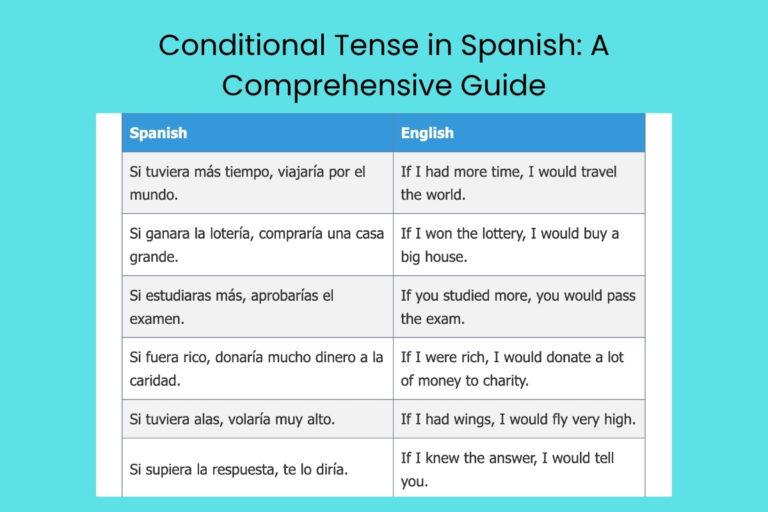
Delving deeper into the subjunctive, one encounters nuances such as its use in hypothetical “si” clauses. The imperfect subjunctive is often used in the “si” clause to express unreal or unlikely conditions, followed by the conditional tense in the main clause.
For example: “Si tuviera dinero, viajaría por el mundo” (If I had money, I would travel the world).
Another advanced topic involves the sequence of tenses. The tense of the subjunctive verb in the subordinate clause often depends on the tense of the verb in the main clause.
For instance, if the main clause is in the past tense, the imperfect subjunctive is often used in the subordinate clause.
Understanding the subtle differences between the subjunctive and the indicative after certain conjunctions, like “aunque,” also requires advanced knowledge. “Aunque” can take either the subjunctive or the indicative, depending on whether the speaker is expressing doubt or certainty.
“Aunque” takes the subjunctive when the speaker is unsure about the outcome: “Aunque llueva, iré al parque” (Even if it rains, I will go to the park – expressing doubt). “Aunque” takes the indicative when the speaker is stating a fact: “Aunque llueve, voy al parque” (Even though it is raining, I am going to the park – stating a fact).
Frequently Asked Questions
Conclusion
Mastering the Spanish subjunctive mood is a challenging but rewarding journey. By understanding its formation, usage rules, and common pitfalls, you can significantly enhance your Spanish language skills.
Consistent practice, exposure to authentic Spanish materials, and attention to detail will help you confidently navigate the complexities of the subjunctive and express yourself with greater nuance and accuracy. Embrace the challenge, and you’ll unlock a deeper level of fluency and understanding in Spanish.