Mastering Spanish Irregular Verbs: A Comprehensive Guide
Spanish irregular verbs can seem daunting to language learners, but understanding them is crucial for fluency. Regular verbs follow predictable conjugation patterns, while irregular verbs deviate from these norms, presenting a unique challenge.
This guide provides a detailed exploration of Spanish irregular verbs, covering their definitions, types, patterns, and usage. It is designed for students of all levels, from beginners grasping the basics to advanced learners seeking to refine their knowledge and mastery of the Spanish language.
By working through the explanations, examples, and exercises in this article, you will significantly improve your ability to use irregular verbs correctly and confidently.
Table of Contents
- Introduction
- Definition of Irregular Verbs
- Structural Breakdown
- Types and Categories of Irregular Verbs
- Examples of Irregular Verbs
- Usage Rules for Irregular Verbs
- Common Mistakes with Irregular Verbs
- Practice Exercises
- Advanced Topics
- Frequently Asked Questions
- Conclusion
Definition of Irregular Verbs
In Spanish, irregular verbs are verbs that do not follow the standard conjugation patterns of regular verbs in one or more of their tenses. Regular verbs adhere to predictable rules based on their infinitive ending (-ar, -er, or -ir). Irregular verbs, however, deviate from these patterns, often changing their stem or having unique endings in certain tenses. Understanding these irregularities is essential for accurate and fluent Spanish communication. They require memorization and practice, as their forms cannot be predicted based on regular verb conjugations. These verbs are fundamental to everyday conversation and written Spanish.
The irregularity can manifest in several ways, including stem changes (e.g., e to ie, o to ue, e to i), changes in the first-person singular (yo form) in the present tense, or complete irregularities in certain tenses like the preterite or future. Recognizing these patterns, though diverse, helps learners categorize and memorize these verbs more effectively.
Structural Breakdown
The structural breakdown of irregular verbs involves understanding how the verb changes from its infinitive form to its conjugated forms in different tenses. The key lies in identifying the part of the verb that changes – typically the stem – and the contexts in which these changes occur. Regular verbs maintain a consistent stem throughout most conjugations, whereas irregular verbs exhibit stem alterations or unique endings. For instance, the stem of the verb poder (to be able to) changes from pod- to pue- in many present tense forms: puedo, puedes, puede, but remains pod- in the nosotros/vosotros forms: podemos, podéis.
Another structural aspect involves the yo form irregularities. Some verbs have a unique yo form in the present tense, while the rest of the conjugations follow regular patterns. The verb hacer (to do/make) is an example: its yo form is hago, but the other forms are haces, hace, hacemos, hacéis, hacen. Understanding these specific irregularities, rather than treating all irregular verbs as uniformly unpredictable, aids in more effective learning and usage.
Types and Categories of Irregular Verbs
Spanish irregular verbs can be categorized into several types based on the nature of their irregularity. These include stem-changing verbs, orthographic-changing verbs, irregular yo form verbs, and radically irregular verbs. Each category has its own set of rules and patterns, which, once understood, makes memorization more manageable.
Stem-Changing Verbs
Stem-changing verbs undergo a change in the vowel of their stem when conjugated in certain tenses. The most common stem changes are: e to ie, o to ue, and e to i. These changes typically occur in all forms except nosotros and vosotros in the present tense. For example, the verb pensar (to think) changes from pens- to piens-: pienso, piensas, piensa, pensamos, pensáis, piensan. Understanding which verbs undergo these changes and in which tenses is key to mastering this category. Many common verbs fall into this category, making it an essential area of focus for Spanish learners.
Orthographic-Changing Verbs
Orthographic-changing verbs change a letter in their spelling to maintain the correct pronunciation. These changes often occur before certain endings to ensure that the sound of the word remains consistent with Spanish pronunciation rules. Common orthographic changes include: c to qu before e, g to gu before e, and z to c before e. A classic example is the verb tocar (to touch), which becomes toqué in the preterite yo form to maintain the /k/ sound. These changes are predictable once the rules are understood, making these verbs less challenging than stem-changing or radically irregular verbs.
Irregular Yo Form Verbs
Irregular Yo Form Verbs have an irregularity only in the yo (I) form of the present tense. The rest of the conjugations follow regular patterns. These verbs often end in -cer, -cir, -ger, -gir, -go, or -zco in the yo form. For example, the verb conocer (to know) has an irregular yo form: conozco, but the other forms are regular: conoces, conoce, conocemos, conocéis, conocen. These verbs are relatively straightforward to learn because the irregularity is confined to a single form, making them easier to remember and use correctly.
Radically Irregular Verbs
Radically Irregular Verbs have significant irregularities in one or more tenses, often involving changes to the stem and/or endings. These verbs are the most challenging to learn because their forms are often unpredictable and must be memorized individually. Common examples include ser (to be), ir (to go), and estar (to be). For instance, the verb ir has completely different forms in the preterite tense: fui, fuiste, fue, fuimos, fuisteis, fueron. These verbs are frequently used, making it essential to master their irregular forms despite the difficulty.
Examples of Irregular Verbs
To solidify your understanding, let’s examine various examples of irregular verbs, categorized by type. Each table includes multiple examples to illustrate the specific irregularity.
These examples will help you recognize patterns and apply the rules more effectively.
Stem-Changing Verb Examples
The following table provides examples of stem-changing verbs, showcasing the changes that occur in different forms. Focus on how the stem changes in all forms except nosotros and vosotros in the present tense.
| Verb (Infinitive) | Meaning | Yo | Tú | Él/Ella/Usted | Nosotros | Vosotros | Ellos/Ellas/Ustedes |
|---|---|---|---|---|---|---|---|
| Pensar (e > ie) | To think | Pienso | Piensas | Piensa | Pensamos | Pensáis | Piensan |
| Querer (e > ie) | To want | Quiero | Quieres | Quiere | Queremos | Queréis | Quieren |
| Empezar (e > ie) | To begin | Empiezo | Empiezas | Empieza | Empezamos | Empezáis | Empiezan |
| Perder (e > ie) | To lose | Pierdo | Pierdes | Pierde | Perdemos | Perdéis | Pierden |
| Preferir (e > ie) | To prefer | Prefiero | Prefieres | Prefiere | Preferimos | Preferís | Prefieren |
| Volver (o > ue) | To return | Vuelvo | Vuelves | Vuelve | Volvemos | Volvéis | Vuelven |
| Poder (o > ue) | To be able to | Puedo | Puedes | Puede | Podemos | Podéis | Pueden |
| Dormir (o > ue) | To sleep | Duermo | Duermes | Duerme | Dormimos | Dormís | Duermen |
| Contar (o > ue) | To count/Tell | Cuento | Cuentas | Cuenta | Contamos | Contáis | Cuentan |
| Encontrar (o > ue) | To find | Encuentro | Encuentras | Encuentra | Encontramos | Encontráis | Encuentran |
| Servir (e > i) | To serve | Sirvo | Sirves | Sirve | Servimos | Servís | Sirven |
| Pedir (e > i) | To ask for | Pido | Pides | Pide | Pedimos | Pedís | Piden |
| Repetir (e > i) | To repeat | Repito | Repites | Repite | Repetimos | Repetís | Repiten |
| Competir (e > i) | To compete | Compito | Compites | Compite | Competimos | Competís | Compiten |
| Seguir (e > i) | To follow | Sigo | Sigues | Sigue | Seguimos | Seguís | Siguen |
| Acordar (o > ue) | To agree | Acuerdo | Acuerdas | Acuerda | Acordamos | Acordáis | Acuerdan |
| Mostrar (o > ue) | To show | Muestro | Muestras | Muestra | Mostramos | Mostráis | Muestran |
| Resolver (o > ue) | To solve | Resuelvo | Resuelves | Resuelve | Resolvemos | Resolvéis | Resuelven |
| Vestir (e > i) | To dress | Visto | Vistes | Viste | Vestimos | Vestís | Visten |
| Mentir (e > ie) | To lie | Miento | Mientes | Miente | Mentimos | Mentís | Mienten |
Orthographic-Changing Verb Examples
This table showcases verbs that undergo orthographic changes to maintain proper pronunciation. Notice the changes that occur in the yo form of the preterite tense, and how they affect the spelling.
| Verb (Infinitive) | Meaning | Preterite Yo Form |
|---|---|---|
| Tocar (c > qu) | To touch | Toqué |
| Buscar (c > qu) | To look for | Busqué |
| Practicar (c > qu) | To practice | Practiqué |
| Sacar (c > qu) | To take out | Saqué |
| Pagar (g > gu) | To pay | Pagué |
| Jugar (g > gu) | To play | Jugué |
| Llegar (g > gu) | To arrive | Llegué |
| Colgar (g > gu) | To hang | Colgué |
| Empezar (z > c) | To begin | Empecé |
| Almorzar (z > c) | To have lunch | Almorcé |
| Cruzar (z > c) | To cross | Crucé |
| Organizar (z > c) | To organize | Organicé |
| Autorizar (z > c) | To authorize | Autoricé |
| Cazar (z > c) | To hunt | Cacé |
| Gozar (z > c) | To enjoy | Gocé |
| Realizar (z > c) | To realize | Realicé |
| Tranzar (z > c) | To transact | Trancé |
| Aterrizar (z > c) | To land | Aterricé |
| Especializar (z > c) | To specialize | Especialicé |
| Analizar (z > c) | To analyze | Analicé |
Irregular Yo Form Verb Examples
The following table illustrates verbs with an irregular yo form in the present tense. Pay attention to how only the yo form deviates, while the other forms remain regular.
| Verb (Infinitive) | Meaning | Yo | Tú | Él/Ella/Usted | Nosotros | Vosotros | Ellos/Ellas/Ustedes |
|---|---|---|---|---|---|---|---|
| Hacer | To do/make | Hago | Haces | Hace | Hacemos | Hacéis | Hacen |
| Poner | To put | Pongo | Pones | Pone | Ponemos | Ponéis | Ponen |
| Salir | To leave | Salgo | Sales | Sale | Salimos | Salís | Salen |
| Traer | To bring | Traigo | Traes | Trae | Traemos | Traéis | Traen |
| Caer | To fall | Caigo | Caes | Cae | Caemos | Caéis | Caen |
| Conocer | To know (people/places) | Conozco | Conoces | Conoce | Conocemos | Conocéis | Conocen |
| Agradecer | To thank | Agradezco | Agradeces | Agradece | Agradecemos | Agradecéis | Agradecen |
| Ofrecer | To offer | Ofrezco | Ofreces | Ofrece | Ofrecemos | Ofrecéis | Ofrecen |
| Producir | To produce | Produzco | Produces | Produce | Producimos | Producís | Producen |
| Traducir | To translate | Traduzco | Traduces | Traduce | Traducimos | Traducís | Traducen |
| Dirigir | To direct | Dirijo | Diriges | Dirige | Dirigimos | Dirigís | Dirigen |
| Escoger | To choose | Escojo | Escoges | Escoge | Escogemos | Escogéis | Escogen |
| Exigir | To demand | Exijo | Exiges | Exige | Exigimos | Exigís | Exigen |
| Saber | To know (facts) | Sé | Sabes | Sabe | Sabemos | Sabéis | Saben |
| Ver | To see | Veo | Ves | Ve | Vemos | Veis | Ven |
| Oír | To hear | Oigo | Oyes | Oye | Oímos | Oís | Oyen |
| Valer | To be worth | Valgo | Vales | Vale | Valemos | Valéis | Valen |
| Tener | To have | Tengo | Tienes | Tiene | Tenemos | Tenéis | Tienen |
| Venir | To come | Vengo | Vienes | Viene | Venimos | Venís | Vienen |
| Decir | To say/tell | Digo | Dices | Dice | Decimos | Decís | Dicen |
Radically Irregular Verb Examples
Radically irregular verbs have the most unpredictable conjugations. The table below shows the preterite tense of some common radically irregular verbs.
| Verb (Infinitive) | Meaning | Yo | Tú | Él/Ella/Usted | Nosotros | Vosotros | Ellos/Ellas/Ustedes |
|---|---|---|---|---|---|---|---|
| Ser/Ir | To be/To go | Fui | Fuiste | Fue | Fuimos | Fuisteis | Fueron |
| Estar | To be | Estuve | Estuviste | Estuvo | Estuvimos | Estuvisteis | Estuvieron |
| Tener | To have | Tuve | Tuviste | Tuvo | Tuvimos | Tuvisteis | Tuvieron |
| Hacer | To do/make | Hice | Hiciste | Hizo | Hicimos | Hicisteis | Hicieron |
| Poder | To be able to | Pude | Pudiste | Pudo | Pudimos | Pudisteis | Pudieron |
| Poner | To put | Puse | Pusiste | Puso | Pusimos | Pusisteis | Pusieron |
| Saber | To know | Supe | Supiste | Supo | Supimos | Supisteis | Supieron |
| Querer | To want | Quise | Quisiste | Quiso | Quisimos | Quisisteis | Quisieron |
| Venir | To come | Vine | Viniste | Vino | Vinimos | Vinisteis | Vinieron |
| Decir | To say/tell | Dije | Dijiste | Dijo | Dijimos | Dijisteis | Dijeron |
| Traer | To bring | Traje | Trajiste | Trajo | Trajimos | Trajisteis | Trajeron |
| Conducir | To drive | Conduje | Condujiste | Condujo | Condujimos | Condujisteis | Condujeron |
| Dar | To give | Di | Diste | Dio | Dimos | Disteis | Dieron |
| Ver | To see | Vi | Viste | Vio | Vimos | Visteis | Vieron |
| Caber | To fit | Cupe | Cupiste | Cupo | Cupimos | Cupisteis | Cupieron |
| Andar | To walk | Anduve | Anduviste | Anduvo | Anduvimos | Anduvisteis | Anduvieron |
| Satisfacer | To satisfy | Satisfice | Satisficiste | Satisfizo | Satisficimos | Satisficisteis | Satisficieron |
| Componer | To compose | Compuse | Compusiste | Compuso | Compusimos | Compusisteis | Compusieron |
| Atraer | To attract | Atraje | Atrajiste | Atrajo | Atrajimos | Atrajisteis | Atrajeron |
| Contraer | To contract | Contraje | Contrajiste | Contrajo | Contrajimos | Contrajisteis | Contrajeron |
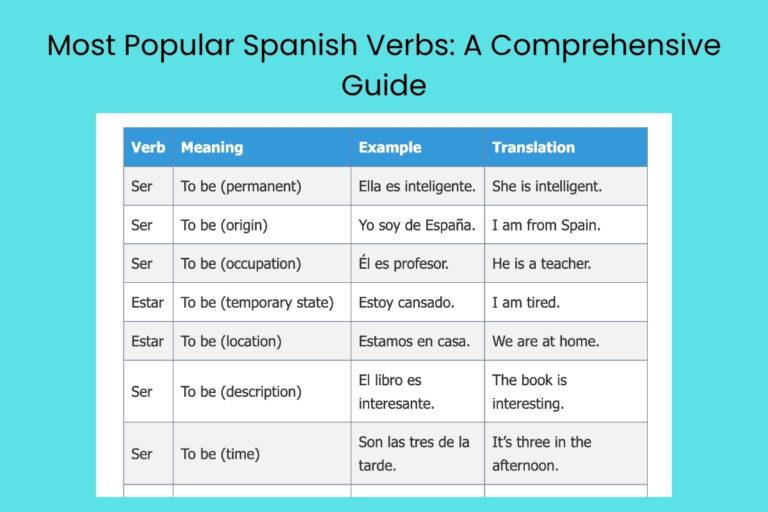
Usage Rules for Irregular Verbs
Using irregular verbs correctly requires understanding the specific rules that govern their conjugation. It’s crucial to know which verbs are irregular in which tenses and to memorize their unique forms. For stem-changing verbs, remember that the stem change typically does not occur in the nosotros and vosotros forms in the present tense. Orthographic changes are generally predictable once you understand the pronunciation rules. Irregular yo form verbs are simpler, as only the yo form deviates from the regular pattern. Radically irregular verbs, on the other hand, need individual memorization for each tense where they are irregular.
Context is also important. The meaning of some verbs can change depending on their conjugation and the surrounding words. For example, saber and conocer both mean “to know,” but saber is used to express knowledge of facts or information, while conocer is used to express familiarity with people, places, or things. Pay attention to how these verbs are used in different sentences to fully grasp their meaning and usage.
Common Mistakes with Irregular Verbs
One of the most common mistakes is applying regular verb conjugation rules to irregular verbs. For example, incorrectly conjugating tener as “teno” instead of “tengo” in the yo form. Another common error is forgetting the stem change in stem-changing verbs, such as saying “pienso” instead of “pensamos.” It’s also easy to confuse similar-sounding verbs, like ser and estar, which both mean “to be” but are used in different contexts.
The following table illustrates some common mistakes and their corrections:
| Incorrect | Correct | Explanation |
|---|---|---|
| Yo teno | Yo tengo | Tener has an irregular yo form. |
| Nosotros piensamos | Nosotros pensamos | Stem change does not occur in the nosotros form. |
| Yo puedo a nadar | Yo puedo nadar | When using poder to express ability, no preposition is needed before the infinitive. |
| Estoy
Continue practicing with irregular verbs and pay close attention to feedback to correct these common errors. Practice ExercisesTest your knowledge with these practice exercises. Fill in the blanks with the correct form of the irregular verb in parentheses.
Answers:
Advanced TopicsFor advanced learners, exploring the nuances of irregular verbs in different tenses and moods can be beneficial. The subjunctive mood, for example, often introduces additional irregularities. Additionally, understanding the historical evolution of these verbs can provide deeper insights into their forms and usage. Consider studying literary texts and authentic Spanish media to observe how native speakers use irregular verbs in complex and varied contexts. Another advanced topic involves mastering the use of irregular verbs in idiomatic expressions. Spanish is rich in idiomatic phrases that utilize these verbs, and understanding these expressions is crucial for achieving a high level of fluency. For instance, “tener ganas de” (to feel like) uses the irregular verb tener in a common idiomatic context. Frequently Asked QuestionsWhy are some verbs irregular in Spanish?Irregular verbs often have historical reasons for their irregularities, stemming from the evolution of Latin into Spanish. Over time, certain verbs underwent phonetic and structural changes that deviated from the regular patterns. Is there a way to predict which verbs will be irregular?While there are some patterns, such as certain endings often indicating an irregular yo form, many irregularities are unpredictable and must be memorized. However, categorizing verbs by type of irregularity can aid in the learning process. How can I effectively memorize irregular verbs?Use a variety of techniques, including flashcards, verb charts, and regular practice. Focus on using the verbs in context through writing and speaking exercises. Repetition and consistent exposure are key. Are irregular verbs more common in certain tenses?Yes, certain tenses, such as the present tense, preterite, and subjunctive, tend to have a higher concentration of irregular verbs. Focusing on these tenses can be particularly helpful. What are some resources for practicing irregular verbs?Many online resources, textbooks, and language learning apps offer exercises and quizzes specifically designed to practice irregular verbs. Additionally, reading and listening to authentic Spanish content can provide valuable exposure to these verbs in context. ConclusionMastering Spanish irregular verbs is a challenging but essential aspect of achieving fluency in the language. By understanding the different types of irregularities, studying examples, and practicing regularly, you can significantly improve your ability to use these verbs correctly and confidently. Remember to focus on context, pay attention to common mistakes, and utilize a variety of learning resources to reinforce your knowledge. With dedication and persistence, you can conquer the complexities of Spanish irregular verbs and enhance your overall language proficiency. |