Spanish Past Tense: Mastering “Crear” in All Forms
Understanding how to conjugate the verb “crear” (to create) in the Spanish past tense is crucial for expressing actions that occurred and were completed in the past. This knowledge allows you to describe past events, tell stories, and convey historical information accurately.
Mastering the different past tense forms of “crear” – preterite, imperfect, and others – enhances your ability to communicate effectively in Spanish, providing nuance and precision to your narratives. This article is designed for Spanish learners of all levels, from beginners seeking a foundational understanding to advanced students aiming to refine their grammatical accuracy and fluency.
Table of Contents
- Introduction
- Definition of “Crear” in Past Tense
- Structural Breakdown
- Types and Categories of Past Tense
- Examples of “Crear” in Past Tense
- Usage Rules
- Common Mistakes
- Practice Exercises
- Advanced Topics
- FAQ
- Conclusion
Definition of “Crear” in Past Tense
General Definition
The verb “crear” means “to create” in English. When conjugated in the past tense in Spanish, it describes the act of creating something at some point in the past.
The specific past tense used will determine the nuance of the action: whether it was a completed action, an ongoing action, or an action that happened before another past action.
Classification
“Crear” is a regular -ar verb. This means its conjugation follows standard patterns for -ar verbs in Spanish, making it relatively straightforward to learn its past tense forms.
Regular verbs provide a foundation for understanding how to conjugate other verbs in Spanish.
Function
The past tense forms of “crear” function to place the action of creating in the past. They provide information about when and how the creation occurred.
Different past tenses provide different perspectives on the action. The preterite describes completed actions, the imperfect describes ongoing or habitual actions, and the perfect tenses describe actions completed before a reference point (present or past).
Contexts
The past tense of “crear” is used in a variety of contexts, including historical accounts, personal anecdotes, descriptions of past projects, and discussions of artistic creations. For example, one might say “Picasso creó muchas obras maestras” (Picasso created many masterpieces) or “Yo creé un sitio web el año pasado” (I created a website last year).
These contexts illustrate the broad applicability of “crear” in past tenses.
Structural Breakdown
Preterite Tense Structure
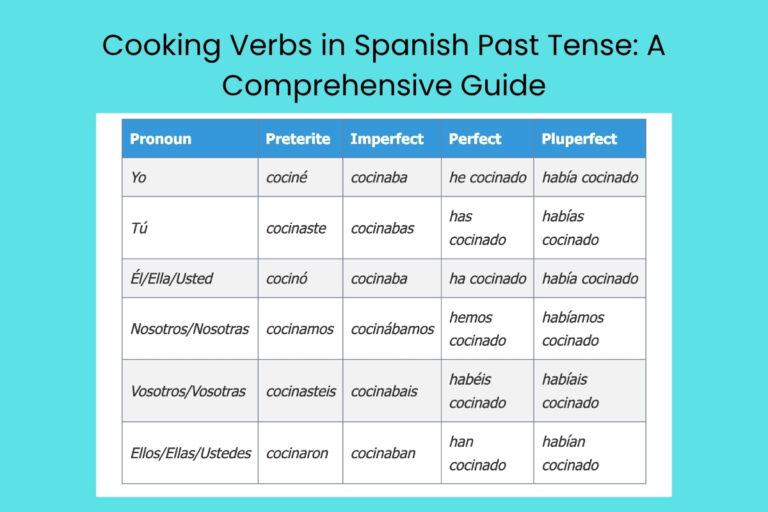
The preterite tense of “crear” is formed by removing the -ar ending and adding the preterite endings. The preterite endings for -ar verbs are: -é, -aste, -ó, -amos, -asteis, -aron.
Therefore, the preterite conjugation of “crear” is: yo creé, tú creaste, él/ella/usted creó, nosotros/nosotras creamos, vosotros/vosotras creasteis, ellos/ellas/ustedes crearon.
Imperfect Tense Structure
The imperfect tense of “crear” is formed by removing the -ar ending and adding the imperfect endings. The imperfect endings for -ar verbs are: -aba, -abas, -aba, -ábamos, -abais, -aban.
Therefore, the imperfect conjugation of “crear” is: yo creaba, tú creabas, él/ella/usted creaba, nosotros/nosotras creábamos, vosotros/vosotras creabais, ellos/ellas/ustedes creaban.
Perfect Tense Structure
The perfect tenses (present perfect, past perfect, etc.) are formed using the auxiliary verb “haber” (to have) conjugated in the appropriate tense, followed by the past participle of “crear,” which is “creado.” For instance, the present perfect is formed with the present tense of “haber” + “creado”: he creado, has creado, ha creado, hemos creado, habéis creado, han creado.
Types and Categories of Past Tense
Preterite (Simple Past)
The preterite tense is used to describe completed actions in the past. It is used for actions that had a definite beginning and end.
It’s often used to narrate specific events or actions that took place at a particular time.
Imperfect (Past Continuous)
The imperfect tense is used to describe ongoing actions, habitual actions, or descriptions in the past. It conveys a sense of continuity or repetition.
It’s also used to describe what someone *used to do* or *was doing*.
Perfect (Present Perfect)
The perfect tense (specifically the present perfect) is used to describe actions that started in the past and have relevance to the present. It signifies that the action has been completed, but its effects are still felt or relevant now.
It is formed using the auxiliary verb “haber” in the present tense.
Pluperfect (Past Perfect)
The pluperfect tense is used to describe an action that was completed before another action in the past. It’s formed using the imperfect tense of “haber” (to have) plus the past participle of the main verb.
It’s used to establish a sequence of events in the past, indicating which action occurred earlier.
Conditional Perfect
The conditional perfect tense is used to describe what would have happened if a certain condition had been met in the past. It implies a hypothetical situation that did not occur.
It’s formed using the conditional tense of “haber” (to have) plus the past participle of the main verb.
Examples of “Crear” in Past Tense
Preterite Examples
The following table provides 30 examples of the verb “crear” conjugated in the preterite tense. Each example includes the Spanish sentence and its English translation.
| Spanish | English |
|---|---|
| Yo creé un nuevo programa de software. | I created a new software program. |
| Tú creaste una obra de arte impresionante. | You created an impressive work of art. |
| Él creó una empresa exitosa. | He created a successful company. |
| Ella creó un jardín hermoso en su patio. | She created a beautiful garden in her yard. |
| Nosotros creamos un club de lectura en la escuela. | We created a book club at school. |
| Vosotros creasteis un ambiente de trabajo positivo. | You (plural, informal) created a positive work environment. |
| Ellos crearon un nuevo estilo de música. | They created a new style of music. |
| Usted creó una solución innovadora al problema. | You (formal) created an innovative solution to the problem. |
| Yo creé una página web para mi negocio. | I created a webpage for my business. |
| Tú creaste un video viral en internet. | You created a viral video on the internet. |
| Él creó una nueva receta de cocina. | He created a new cooking recipe. |
| Ella creó un personaje fascinante para su novela. | She created a fascinating character for her novel. |
| Nosotros creamos una campaña publicitaria exitosa. | We created a successful advertising campaign. |
| Vosotros creasteis un juego de mesa divertido. | You (plural, informal) created a fun board game. |
| Ellos crearon una nueva tecnología revolucionaria. | They created a revolutionary new technology. |
| Yo creé un diseño único para mi casa. | I created a unique design for my house. |
| Tú creaste un ambiente acogedor en tu hogar. | You created a welcoming atmosphere in your home. |
| Él creó un plan estratégico para la empresa. | He created a strategic plan for the company. |
| Ella creó una colección de poemas inspiradores. | She created a collection of inspiring poems. |
| Nosotros creamos un proyecto comunitario importante. | We created an important community project. |
| Vosotros creasteis un programa de voluntariado efectivo. | You (plural, informal) created an effective volunteer program. |
| Ellos crearon una nueva forma de arte digital. | They created a new form of digital art. |
| Yo creé una rutina de ejercicios efectiva. | I created an effective workout routine. |
| Tú creaste un ambiente de aprendizaje estimulante. | You created a stimulating learning environment. |
| Él creó un sistema innovador de gestión. | He created an innovative management system. |
| Ella creó una red de apoyo para emprendedores. | She created a support network for entrepreneurs. |
| Nosotros creamos una plataforma para compartir ideas. | We created a platform for sharing ideas. |
| Vosotros creasteis una cultura de innovación en la empresa. | You (plural, informal) created a culture of innovation in the company. |
| Ellos crearon un movimiento social importante. | They created an important social movement. |
Imperfect Examples
The following table provides 30 examples of the verb “crear” conjugated in the imperfect tense. Each example includes the Spanish sentence and its English translation.
| Spanish | English |
|---|---|
| Yo creaba historias fantásticas cuando era niño. | I used to create fantastic stories when I was a child. |
| Tú creabas esculturas de arena en la playa. | You used to create sand sculptures on the beach. |
| Él creaba prototipos en su garaje. | He used to create prototypes in his garage. |
| Ella creaba vestidos para sus muñecas. | She used to create dresses for her dolls. |
| Nosotros creábamos proyectos de arte en la escuela. | We used to create art projects at school. |
| Vosotros creabais una atmósfera mágica en vuestras fiestas. | You (plural, informal) used to create a magical atmosphere at your parties. |
| Ellos creaban mundos imaginarios en sus juegos. | They used to create imaginary worlds in their games. |
| Usted creaba un ambiente de confianza con sus pacientes. | You (formal) used to create a trusting environment with your patients. |
| Yo creaba música en mi tiempo libre. | I used to create music in my free time. |
| Tú creabas diseños gráficos para empresas locales. | You used to create graphic designs for local businesses. |
| Él creaba soluciones innovadoras para problemas ambientales. | He used to create innovative solutions to environmental problems. |
| Ella creaba personajes complejos para sus obras de teatro. | She used to create complex characters for her plays. |
| Nosotros creábamos estrategias de marketing para nuevos productos. | We used to create marketing strategies for new products. |
| Vosotros creabais contenido educativo para niños. | You (plural, informal) used to create educational content for children. |
| Ellos creaban aplicaciones móviles para mejorar la vida de las personas. | They used to create mobile applications to improve people’s lives. |
| Yo creaba joyas artesanales para vender en ferias. | I used to create handmade jewelry to sell at fairs. |
| Tú creabas presentaciones impresionantes para tus clientes. | You used to create impressive presentations for your clients. |
| Él creaba sistemas de seguridad para proteger datos importantes. | He used to create security systems to protect important data. |
| Ella creaba jardines verticales en espacios urbanos. | She used to create vertical gardens in urban spaces. |
| Nosotros creábamos programas de capacitación para empleados. | We used to create training programs for employees. |
| Vosotros creabais campañas de sensibilización sobre temas sociales. | You (plural, informal) used to create awareness campaigns about social issues. |
| Ellos creaban videojuegos con narrativas complejas. | They used to create video games with complex narratives. |
| Yo creaba ilustraciones para libros infantiles. | I used to create illustrations for children’s books. |
| Tú creabas experiencias interactivas para museos. | You used to create interactive experiences for museums. |
| Él creaba simulaciones para entrenar a pilotos. | He used to create simulations to train pilots. |
| Ella creaba espacios de coworking para emprendedores. | She used to create coworking spaces for entrepreneurs. |
| Nosotros creábamos soluciones de software para empresas. | We used to create software solutions for companies. |
| Vosotros creabais estrategias de marketing digital. | You (plural, informal) used to create digital marketing strategies. |
| Ellos creaban contenido para redes sociales. | They used to create content for social networks. |
Perfect Examples
The following table provides 30 examples of the verb “crear” conjugated in the present perfect tense. Each example includes the Spanish sentence and its English translation.
| Spanish | English |
|---|---|
| Yo he creado un nuevo blog sobre viajes. | I have created a new travel blog. |
| Tú has creado una aplicación móvil muy útil. | You have created a very useful mobile application. |
| Él ha creado un robot que limpia la casa. | He has created a robot that cleans the house. |
| Ella ha creado una fundación para ayudar a los niños. | She has created a foundation to help children. |
| Nosotros hemos creado un equipo de trabajo muy eficiente. | We have created a very efficient work team. |
| Vosotros habéis creado un ambiente de aprendizaje innovador. | You (plural, informal) have created an innovative learning environment. |
| Ellos han creado un movimiento social para el cambio. | They have created a social movement for change. |
| Usted ha creado una empresa que está cambiando el mundo. | You (formal) have created a company that is changing the world. |
| Yo he creado una nueva receta de pastel. | I have created a new cake recipe. |
| Tú has creado una plataforma para conectar a personas. | You have created a platform to connect people. |
| Él ha creado un nuevo lenguaje de programación. | He has created a new programming language. |
| Ella ha creado una colección de arte impresionante. | She has created an impressive art collection. |
| Nosotros hemos creado un programa de voluntariado exitoso. | We have created a successful volunteer program. |
| Vosotros habéis creado una comunidad en línea muy activa. | You (plural, informal) have created a very active online community. |
| Ellos han creado un nuevo tipo de energía renovable. | They have created a new type of renewable energy. |
| Yo he creado un sistema de gestión de proyectos eficiente. | I have created an efficient project management system. |
| Tú has creado una estrategia de marketing innovadora. | You have created an innovative marketing strategy. |
| Él ha creado un nuevo modelo de negocio. | He has created a new business model. |
| Ella ha creado una red de apoyo para emprendedores. | She has created a support network for entrepreneurs. |
| Nosotros hemos creado un espacio de trabajo colaborativo. | We have created a collaborative workspace. |
| Vosotros habéis creado un programa de mentoría para jóvenes. | You (plural, informal) have created a mentoring program for young people. |
| Ellos han creado un nuevo estándar en la industria. | They have created a new standard in the industry. |
| Yo he creado un plan de desarrollo personal. | I have created a personal development plan. |
| Tú has creado un ambiente de trabajo positivo. | You have created a positive work environment. |
| Él ha creado un sistema de seguridad avanzado. | He has created an advanced security system. |
| Ella ha creado una línea de ropa sostenible. | She has created a sustainable clothing line. |
| Nosotros hemos creado una plataforma de aprendizaje en línea. | We have created an online learning platform. |
| Vosotros habéis creado un programa de intercambio cultural. | You (plural, informal) have created a cultural exchange program. |
| Ellos han creado un nuevo enfoque para la educación. | They have created a new approach to education. |
Pluperfect Examples
The following table provides 20 examples of the verb “crear” conjugated in the pluperfect tense. Each example includes the Spanish sentence and its English translation.
| Spanish | English |
|---|---|
| Yo había creado un plan antes de que llegara la crisis. | I had created a plan before the crisis arrived. |
| Tú habías creado una obra maestra antes de cumplir los veinte años. | You had created a masterpiece before turning twenty. |
| Él había creado una empresa exitosa antes de jubilarse. | He had created a successful company before retiring. |
| Ella había creado un jardín exuberante antes de la sequía. | She had created a lush garden before the drought. |
| Nosotros habíamos creado una solución innovadora antes de que surgieran los problemas. | We had created an innovative solution before the problems arose. |
| Vosotros habíais creado un ambiente de trabajo positivo antes de la reestructuración. | You (plural, informal) had created a positive work environment before the restructuring. |
| Ellos habían creado un nuevo estilo de música antes de que se hiciera popular. | They had created a new style of music before it became popular. |
| Yo había creado un prototipo antes de recibir la financiación. | I had created a prototype before receiving the funding. |
| Tú habías creado una rutina de ejercicios antes de lesionarte. | You had created a workout routine before you got injured. |
| Él había creado un personaje complejo antes de escribir la novela. | He had created a complex character before writing the novel. |
| Ella había creado una marca reconocida antes de expandirse internacionalmente. | She had created a recognized brand before expanding internationally. |
| Nosotros habíamos creado una estrategia de marketing antes de lanzar el producto. | We had created a marketing strategy before launching the product. |
| Vosotros habíais creado una aplicación móvil antes de que existieran los smartphones. | You (plural, informal) had created a mobile application before smartphones existed. |
| Ellos habían creado un sistema de seguridad antes del ataque cibernético. | They had created a security system before the cyberattack. |
| Yo había creado un plan de emergencia antes del desastre natural. | I had created an emergency plan before the natural disaster. |
| Tú habías creado un curso en línea antes de la pandemia. | You had created an online course before the pandemic. |
| Él había creado un sistema de riego automático antes de irse de vacaciones. | He had created an automatic irrigation system before going on vacation. |
| Ella había creado un fondo de inversión antes de la crisis económica. | She had created an investment fund before the economic crisis. |
| Nosotros habíamos creado un equipo de investigación antes de recibir la subvención. | We had created a research team before receiving the grant. |
Conditional Perfect Examples
The following table provides 20 examples of the verb “crear” conjugated in the conditional perfect tense. Each example includes the Spanish sentence and its English translation.
| Spanish | English |
|---|---|
| Yo habría creado un imperio si hubiera tenido más tiempo. | I would have created an empire if I had had more time. |
| Tú habrías creado una revolución si te hubieran escuchado. | You would have created a revolution if they had listened to you. |
| Él habría creado una solución si hubiera tenido los recursos. | He would have created a solution if he had had the resources. |
| Ella habría creado una obra de arte si hubiera tenido inspiración. | She would have created a work of art if she had had inspiration. |
| Nosotros habríamos creado un mundo mejor si hubiéramos trabajado juntos. | We would have created a better world if we had worked together. |
| Vosotros habríais creado un negocio exitoso si hubierais perseverado. | You (plural, informal) would have created a successful business if you had persevered. |
| Ellos habrían creado una sociedad utópica si hubieran tenido el poder. | They would have created a utopian society if they had had the power. |
| Yo habría creado un invento revolucionario si hubiera tenido más apoyo. | I would have created a revolutionary invention if I had had more support. |
| Tú habrías creado una sinfonía hermosa si hubieras estudiado música. | You would have created a beautiful symphony if you had studied music. |
| Él habría creado una vacuna si hubiera tenido el equipo adecuado. | He would have created a vaccine if he had had the right equipment. |
| Ella habría creado un jardín botánico si hubiera tenido la tierra. | She would have created a botanical garden if she had had the land. |
| Nosotros habríamos creado una organización benéfica si hubiéramos tenido más fondos. | We would have created a charitable organization if we had had more funds. |
| Vosotros habríais creado una escuela innovadora si hubierais tenido la libertad. | You (plural, informal) would have created an innovative school if you had had the freedom. |
| Ellos habrían creado una ciudad sostenible si hubieran tenido la visión. | They would have created a sustainable city if they had had the vision. |
| Yo habría creado un programa de desarrollo comunitario si hubiera tenido los contactos. | I would have created a community development program if I had had the contacts. |
| Tú habrías creado una aplicación para resolver problemas si hubieras sido informático. | You would have created an application to solve problems if you had been a computer scientist. |
| Él habría creado una obra maestra literaria si hubiera tenido inspiración. | He would have created a literary masterpiece if he had had inspiration. |
| Ella habría creado un refugio para animales si hubiera tenido los recursos. | She would have created an animal shelter if she had had the resources. |
| Nosotros habríamos creado una empresa global si hubiéramos tenido la oportunidad. | We would have created a global company if we had had the opportunity. |
Usage Rules
Preterite Usage Rules
Use the preterite to describe completed actions that occurred at a specific point in the past. These actions have a clear beginning and end.
The preterite is also used to narrate a series of completed events. Signal words like “ayer” (yesterday), “anoche” (last night), “la semana pasada” (last week), and “el año pasado” (last year) often accompany the preterite tense.
Imperfect Usage Rules
Use the imperfect to describe ongoing actions in the past, habitual actions, or to provide background information. It’s used to describe what someone *used to do* or *was doing*.
It also sets the scene or provides context for other actions. Signal words like “siempre” (always), “a menudo” (often), “cada día” (every day), and “mientras” (while) often accompany the imperfect tense.
Perfect Usage Rules
Use the perfect tense (present perfect) to describe actions that started in the past and have relevance to the present. The time frame is not yet finished.
The action is completed, but its effects are still felt or relevant now. Signal words like “hoy” (today), “esta semana” (this week), “este mes” (this month), and “nunca” (never) are often used with the perfect tense.
Pluperfect Usage Rules
The pluperfect tense is used to describe an action that was completed before another action in the past. It’s crucial for establishing a sequence of events and indicating which action occurred earlier.
It helps to provide context and clarity when narrating past events that are not in chronological order.
Conditional Perfect Usage Rules
The conditional perfect is used to express what would have happened if a condition in the past had been met. It’s often used in hypothetical scenarios or to express regret about something that did not occur.
It’s typically used in “si” (if) clauses to describe the unrealized outcome of a past event.
Common Mistakes
Preterite vs. Imperfect
A common mistake is confusing the preterite and imperfect tenses. Remember, the preterite is for completed actions, while the imperfect is for ongoing or habitual actions.
Incorrect: Yo creaba una casa ayer. (I was creating a house yesterday.) Correct: Yo creé una casa ayer. (I created a house yesterday.)
Incorrect: Yo creé historias cuando era niño. (I created stories when I was a child.) Correct: Yo creaba historias cuando era niño. (I used to create stories when I was a child.)
Perfect vs. Preterite
Another common error is using the preterite instead of the perfect tense when the action has relevance to the present.
Incorrect: Yo creé un sitio web este
mes. (I created a website this month – implying it’s completely in the past). Correct: Yo he creado un sitio web este mes. (I have created a website this month – implying it is still relevant.) Remember that the perfect tense connects the past to the present.
Incorrect Word Order
In perfect tenses, the word order must be “haber” + past participle. Avoid separating the auxiliary verb “haber” from the past participle “creado” with other words unless necessary for emphasis.
Incorrect: Yo siempre he creado cosas nuevas. Correct: Yo he creado siempre cosas nuevas (This is grammatically correct, but less common). The adverb placement can subtly change the emphasis.
Practice Exercises
Preterite Exercise
Fill in the blank with the correct preterite form of “crear”:
- Ayer, yo ________ un nuevo diseño para mi proyecto.
- El artista ________ una obra maestra en solo tres días.
- Nosotros ________ una solución innovadora para el problema.
Answers:
- creé
- creó
- creamos
Imperfect Exercise
Fill in the blank with the correct imperfect form of “crear”:
- Cuando era joven, yo ________ mundos imaginarios en mi mente.
- Antes, ella ________ arte con materiales reciclados.
- Nosotros ________ un ambiente de trabajo muy colaborativo.
Answers:
- creaba
- creaba
- creábamos
Perfect Exercise
Fill in the blank with the correct present perfect form of “crear”:
- Este año, yo ________ un nuevo negocio en línea.
- Tú ________ muchas oportunidades para crecer profesionalmente.
- Nosotros ________ una plataforma para ayudar a la comunidad.
Answers:
- he creado
- has creado
- hemos creado
Pluperfect Exercise
Fill in the blank with the correct pluperfect form of “crear”:
- Antes de la crisis, nosotros ________ un plan de contingencia.
- Para cuando llegué, tú ya ________ una solución al problema.
- Él ________ una reputación sólida antes de su jubilación.
Answers:
- habíamos creado
- habías creado
- había creado
Conditional Perfect Exercise
Fill in the blank with the correct conditional perfect form of “crear”:
- Si hubiera tenido más tiempo, yo ________ una obra maestra.
- Si hubieras tenido los recursos, tú ________ una empresa exitosa.
- Si hubiéramos tenido el apoyo, nosotros ________ una solución innovadora.
Answers:
- habría creado
- habrías creado
- habríamos creado
Advanced Topics
Subjunctive Mood in Past Tense
The subjunctive mood in the past tense is used to express doubt, desire, or uncertainty about past actions. For “crear,” this often appears in clauses introduced by “que” (that) after verbs expressing emotion or influence.
For example: “Dudaba que él hubiera creado algo original” (I doubted that he had created something original).
Literary Uses of Past Tense
In literature, the past tenses of “crear” can be used to evoke specific atmospheres or to develop characters. The imperfect tense can create a sense of nostalgia or continuity, while the preterite can emphasize decisive moments of creation.
Authors might also use less common past tenses, like the pluperfect, to add depth and complexity to their narratives, layering past events and their consequences.
FAQ
How do I choose between the preterite and imperfect tenses of “crear”?
Use the preterite tense to describe actions that were completed at a specific point in the past. Use the imperfect tense to describe ongoing actions, habitual actions, or to provide background information about what someone used to do or was doing.
What is the difference between the perfect and preterite tenses of “crear”?
The perfect tense (present perfect) is used to describe actions that started in the past and have relevance to the present. The preterite tense is used to describe actions that were completed in the past and do not necessarily have a connection to the present.
How do I form the pluperfect tense of “crear”?
The pluperfect tense is formed using the imperfect tense of “haber” (to have) plus the past participle of “crear” (creado). For example: “Yo había creado” (I had created).
When should I use the conditional perfect tense of “crear”?
Use the conditional perfect to express what would have happened if a condition in the past had been met. It’s often used in hypothetical scenarios or to express regret about something that did not occur.
Conclusion
Mastering the past tense conjugations of “crear” is essential for expressing a wide range of ideas and narratives in Spanish. By understanding the nuances of the preterite, imperfect, perfect, pluperfect, and conditional perfect tenses, you can communicate more effectively and accurately.
Practice using these tenses in different contexts to solidify your understanding and enhance your fluency. Keep exploring and refining your skills to become a proficient Spanish speaker!