Mastering “I Had” in Spanish Past Tense: A Comprehensive Guide
Understanding how to express “I had” in Spanish past tenses is crucial for effective communication. The Spanish language offers several past tense options, each with its own nuances and contexts.
This article will guide you through the various ways to translate “I had” into Spanish, covering the preterite, imperfect, and pluperfect tenses. Whether you’re a beginner or an advanced learner, this guide will provide you with the knowledge and practice you need to master this essential aspect of Spanish grammar.
This comprehensive exploration will equip you with the understanding and practical skills to accurately and confidently express past possession and experiences in Spanish.
Table of Contents
- Introduction
- Definition of “I Had” in Spanish
- Structural Breakdown of Spanish Past Tenses
- Types of Past Tenses for “I Had”
- Examples of “I Had” in Spanish
- Usage Rules for Spanish Past Tenses
- Common Mistakes
- Practice Exercises
- Advanced Topics
- FAQ
- Conclusion
Definition of “I Had” in Spanish
The phrase “I had” in English can be translated into Spanish using several past tense forms of the verb tener (to have), depending on the context. The most common tenses are the preterite (pretérito indefinido), the imperfect (pretérito imperfecto), and the pluperfect (pretérito pluscuamperfecto). Each tense conveys a different aspect of the past, indicating completed actions, habitual actions, or actions completed before another past action.
Understanding the nuances of each tense is essential for accurate and natural communication. The preterite is used for completed actions with a definite beginning and end.
The imperfect describes ongoing or habitual actions in the past. The pluperfect describes an action that happened before another action in the past.
Choosing the correct tense ensures that your message is clear and conveys the intended meaning.
Structural Breakdown of Spanish Past Tenses
The verb tener (to have) is an irregular verb, and its conjugation varies depending on the tense. Here’s a breakdown of the conjugations for the preterite, imperfect, and pluperfect tenses:
- Preterite (Pretérito Indefinido): This tense is used for completed actions in the past. The conjugation of tener in the preterite is:
- Yo tuve (I had)
- Tú tuviste (You had)
- Él/Ella/Usted tuvo (He/She/You had)
- Nosotros tuvimos (We had)
- Vosotros tuvisteis (You all had)
- Ellos/Ellas/Ustedes tuvieron (They/You all had)
- Imperfect (Pretérito Imperfecto): This tense is used for ongoing or habitual actions in the past. The conjugation of tener in the imperfect is:
- Yo tenía (I used to have/I was having)
- Tú tenías (You used to have/You were having)
- Él/Ella/Usted tenía (He/She/You used to have/He/She/You were having)
- Nosotros teníamos (We used to have/We were having)
- Vosotros teníais (You all used to have/You all were having)
- Ellos/Ellas/Ustedes tenían (They/You all used to have/They/You all were having)
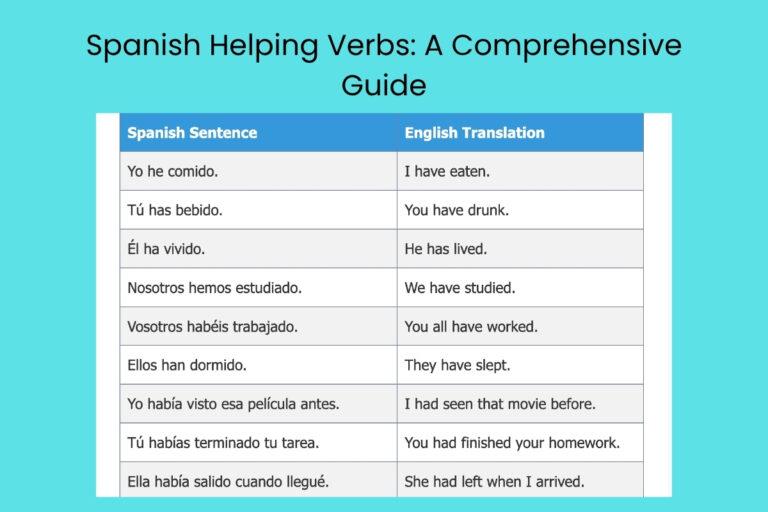
- Pluperfect (Pretérito Pluscuamperfecto): This tense is used for actions completed before another past action. It is formed using the imperfect of haber (to have as an auxiliary verb) + the past participle of tener (tenido).
- Yo había tenido (I had had)
- Tú habías tenido (You had had)
- Él/Ella/Usted había tenido (He/She/You had had)
- Nosotros habíamos tenido (We had had)
- Vosotros habíais tenido (You all had had)
- Ellos/Ellas/Ustedes habían tenido (They/You all had had)
Types of Past Tenses for “I Had”
Spanish grammar offers several ways to express “I had” in the past, each with its own specific use and context. The three primary past tenses used for this purpose are the preterite, the imperfect, and the pluperfect.
Understanding when to use each tense is crucial for accurate and effective communication in Spanish.
Preterite Tense
The preterite tense (pretérito indefinido) is used to describe actions that were completed at a specific point in the past. These actions have a clear beginning and end and are viewed as finished. It is often used for single, completed events or a series of events that occurred in a defined time frame.
For example, if you want to say “I had a car last year,” you would use the preterite tense because the action of having the car occurred and ended within a specific time frame (last year). The preterite tense provides a sense of finality and completion to the action.
Imperfect Tense
The imperfect tense (pretérito imperfecto) is used to describe ongoing or habitual actions in the past. It also describes states of being, conditions, or descriptions in the past. Unlike the preterite, the imperfect does not focus on the completion of an action but rather on its duration or repetition.
For example, if you want to say “I used to have long hair,” you would use the imperfect tense because it describes a state that existed over a period of time in the past. The imperfect tense provides a sense of continuity or repetition to the action or state.
Pluperfect Tense
The pluperfect tense (pretérito pluscuamperfecto) is used to describe an action that was completed before another action in the past. It is often referred to as the “past perfect” in English. The pluperfect tense helps to establish a sequence of events in the past, indicating which action occurred earlier.
For example, if you want to say “I had already eaten when you arrived,” you would use the pluperfect tense to indicate that the action of eating was completed before the action of your arrival. The pluperfect tense provides a sense of prior completion relative to another past event.
Examples of “I Had” in Spanish
To illustrate the usage of “I had” in Spanish, let’s explore various examples using the preterite, imperfect, and pluperfect tenses. These examples will showcase the different contexts in which each tense is appropriate.
Preterite Tense Examples
The preterite tense is used for completed actions in the past. Here are some examples of “I had” in the preterite tense, along with their English translations:
The following table provides 30 examples of “I had” in the preterite tense, showcasing different scenarios and contexts where this tense is appropriate. Each example includes both the Spanish sentence and its English translation.
| Spanish | English |
|---|---|
| Yo tuve un sueño extraño anoche. | I had a strange dream last night. |
| Yo tuve una entrevista de trabajo ayer. | I had a job interview yesterday. |
| Yo tuve que estudiar mucho para el examen. | I had to study a lot for the exam. |
| Yo tuve una bicicleta cuando era niño. | I had a bicycle when I was a child. |
| Yo tuve la oportunidad de viajar a Europa. | I had the opportunity to travel to Europe. |
| Yo tuve una reunión importante esta mañana. | I had an important meeting this morning. |
| Yo tuve fiebre la semana pasada. | I had a fever last week. |
| Yo tuve un coche nuevo en 2020. | I had a new car in 2020. |
| Yo tuve una conversación interesante con mi vecino. | I had an interesting conversation with my neighbor. |
| Yo tuve que limpiar toda la casa. | I had to clean the whole house. |
| Yo tuve un problema con mi computadora ayer. | I had a problem with my computer yesterday. |
| Yo tuve una mascota cuando era joven. | I had a pet when I was young. |
| Yo tuve la suerte de conocer a un famoso. | I had the luck to meet a celebrity. |
| Yo tuve un día muy ocupado en el trabajo. | I had a very busy day at work. |
| Yo tuve que cancelar mi cita. | I had to cancel my appointment. |
| Yo tuve una fiesta de cumpleaños el año pasado. | I had a birthday party last year. |
| Yo tuve un accidente pequeño con mi coche. | I had a small accident with my car. |
| Yo tuve que ir al médico la semana pasada. | I had to go to the doctor last week. |
| Yo tuve una buena idea para el proyecto. | I had a good idea for the project. |
| Yo tuve que hacer muchas tareas en casa. | I had to do many chores at home. |
| Yo tuve una experiencia increíble en mis vacaciones. | I had an incredible experience on my vacation. |
| Yo tuve que esperar mucho tiempo en la fila. | I had to wait a long time in line. |
| Yo tuve una sorpresa agradable de mis amigos. | I had a pleasant surprise from my friends. |
| Yo tuve que resolver un problema difícil. | I had to solve a difficult problem. |
| Yo tuve una entrevista importante. | I had an important interview. |
| Yo tuve un resfriado la semana pasada. | I had a cold last week. |
| Yo tuve que pagar muchas facturas. | I had to pay many bills. |
| Yo tuve un buen profesor en la universidad. | I had a good professor in college. |
| Yo tuve que trabajar hasta tarde anoche. | I had to work late last night. |
| Yo tuve una gran cena con mi familia. | I had a great dinner with my family. |
Imperfect Tense Examples
The imperfect tense is used for ongoing or habitual actions in the past. Here are some examples of “I had” in the imperfect tense:
The following table provides 30 examples of “I had” in the imperfect tense, showing habitual actions, descriptions, or states of being in the past. Each example includes both the Spanish sentence and its English translation.
| Spanish | English |
|---|---|
| Yo tenía mucho tiempo libre cuando era estudiante. | I used to have a lot of free time when I was a student. |
| Yo tenía un perro que se llamaba Max. | I used to have a dog named Max. |
| Yo tenía la costumbre de leer antes de dormir. | I used to have the habit of reading before sleeping. |
| Yo tenía el pelo largo cuando era joven. | I used to have long hair when I was young. |
| Yo tenía una casa grande en el campo. | I used to have a big house in the countryside. |
| Yo tenía muchos amigos en la escuela primaria. | I used to have many friends in elementary school. |
| Yo tenía la impresión de que todo iba bien. | I had the impression that everything was going well. |
| Yo tenía un trabajo cerca de mi casa. | I used to have a job near my house. |
| Yo tenía la esperanza de viajar por el mundo. | I used to have the hope of traveling the world. |
| Yo tenía un coche viejo pero confiable. | I used to have an old but reliable car. |
| Yo tenía la costumbre de ir al gimnasio todos los días. | I used to have the habit of going to the gym every day. |
| Yo tenía un jardín lleno de flores. | I used to have a garden full of flowers. |
| Yo tenía la idea de escribir un libro. | I had the idea of writing a book. |
| Yo tenía un profesor que era muy estricto. | I used to have a professor who was very strict. |
| Yo tenía la intención de visitar a mis abuelos. | I had the intention of visiting my grandparents. |
| Yo tenía una vista hermosa desde mi ventana. | I used to have a beautiful view from my window. |
| Yo tenía la sensación de que algo iba a pasar. | I had the feeling that something was going to happen. |
| Yo tenía un teléfono que era muy antiguo. | I used to have a phone that was very old. |
| Yo tenía la creencia de que todo era posible. | I had the belief that everything was possible. |
| Yo tenía un horario muy ocupado. | I used to have a very busy schedule. |
| Yo tenía una colección de sellos. | I used to have a stamp collection. |
| Yo tenía la oportunidad de aprender un nuevo idioma. | I had the opportunity to learn a new language. |
| Yo tenía un vecino que era muy amable. | I used to have a neighbor who was very kind. |
| Yo tenía la esperanza de que todo mejoraría. | I had the hope that everything would improve. |
| Yo tenía un sueño de ser famoso. | I had a dream of being famous. |
| Yo tenía la costumbre de tomar café por la mañana. | I used to have the habit of drinking coffee in the morning. |
| Yo tenía un coche rojo que me encantaba. | I used to have a red car that I loved. |
| Yo tenía la sensación de que estaba en el camino correcto. | I had the feeling that I was on the right path. |
| Yo tenía un montón de libros en mi estantería. | I used to have a lot of books on my bookshelf. |
| Yo tenía la costumbre de dar largos paseos por el parque. | I used to have the habit of taking long walks in the park. |
Pluperfect Tense Examples
The pluperfect tense is used for actions completed before another action in the past. Here are some examples of “I had” in the pluperfect tense:
The following table presents 30 examples of “I had” in the pluperfect tense, illustrating actions completed before another action in the past. Each example includes both the Spanish sentence and its English translation.
| Spanish | English |
|---|---|
| Yo ya había tenido la cena cuando llegaron mis amigos. | I had already had dinner when my friends arrived. |
| Yo había tenido un problema similar antes. | I had had a similar problem before. |
| Yo había tenido la oportunidad de viajar antes de casarme. | I had had the opportunity to travel before getting married. |
| Yo había tenido un coche mejor antes de este. | I had had a better car before this one. |
| Yo había tenido la experiencia de vivir en el extranjero. | I had had the experience of living abroad. |
| Yo había tenido un sueño recurrente desde niño. | I had had a recurring dream since childhood. |
| Yo había tenido la intención de llamarte antes. | I had had the intention of calling you earlier. |
| Yo había tenido un trabajo diferente antes de este. | I had had a different job before this one. |
| Yo había tenido la esperanza de que me ascendieran. | I had had the hope that I would be promoted. |
| Yo había tenido un perro que se llamaba Toby antes de Max. | I had had a dog named Toby before Max. |
| Yo ya había tenido la reunión cuando me llamaste. | I had already had the meeting when you called me. |
| Yo había tenido un resfriado la semana anterior. | I had had a cold the previous week. |
| Yo había tenido la suerte de conocer a mi ídolo. | I had had the luck to meet my idol. |
| Yo había tenido un día muy largo antes de la fiesta. | I had had a very long day before the party. |
| Yo ya había tenido la oportunidad de estudiar en el extranjero. | I had already had the opportunity to study abroad. |
| Yo había tenido una conversación con él antes de que se fuera. | I had had a conversation with him before he left. |
| Yo había tenido un problema con mi coche antes de llevarlo al taller. | I had had a problem with my car before taking it to the shop. |
| Yo había tenido una mascota diferente cuando era niño. | I had had a different pet when I was a child. |
| Yo había tenido la experiencia de trabajar en un restaurante. | I had had the experience of working in a restaurant. |
| Yo había tenido un sueño de viajar por el mundo antes de establecerme. | I had had a dream of traveling the world before settling down. |
| Yo había tenido la costumbre de leer antes de dormir, pero lo dejé. | I had had the habit of reading before sleeping, but I stopped. |
| Yo había tenido un jardín lleno de flores, pero se secaron. | I had had a garden full of flowers, but they dried up. |
| Yo había tenido la idea de escribir un libro, pero no la llevé a cabo. | I had had the idea of writing a book, but I didn’t carry it out. |
| Yo había tenido un profesor muy estricto, pero aprendí mucho. | I had had a very strict professor, but I learned a lot. |
| Yo había tenido una vista hermosa desde mi ventana, pero me mudé. | I had had a beautiful view from my window, but I moved. |
| Yo había tenido una sensación extraña antes de que sucediera. | I had had a strange feeling before it happened. |
| Yo había tenido un teléfono antiguo, pero lo reemplacé. | I had had an old phone, but I replaced it. |
| Yo había tenido la creencia de que todo era posible, pero cambié de opinión. | I had had the belief that everything was possible, but I changed my mind. |
| Yo había tenido un horario ocupado antes de jubilarme. | I had had a busy schedule before retiring. |
| Yo había tenido una colección de sellos, pero la vendí. | I had had a stamp collection, but I sold it. |
Usage Rules for Spanish Past Tenses
Understanding the specific rules for using each past tense is essential for accurate communication. Here are the key usage rules for the preterite, imperfect, and pluperfect tenses when expressing “I had” in Spanish:
- Preterite: Use the preterite tense (Yo tuve) for completed actions with a definite beginning and end. This tense is appropriate when the action of “having” occurred once and is now finished. For example, “Yo tuve un coche nuevo el año pasado” (I had a new car last year) indicates that you had the car during a specific period in the past, and that period has ended.
- Imperfect: Use the imperfect tense (Yo tenía) for ongoing or habitual actions in the past. This tense is appropriate when the action of “having” was a state or condition that existed over a period of time. For example, “Yo tenía mucho tiempo libre cuando era estudiante” (I used to have a lot of free time when I was a student) indicates that having free time was a continuous state during your time as a student.
- Pluperfect: Use the pluperfect tense (Yo había tenido) for actions completed before another action in the past. This tense is appropriate when you want to emphasize that the action of “having” occurred before a subsequent event. For example, “Yo ya había tenido la cena cuando llegaron mis amigos” (I had already had dinner when my friends arrived) indicates that the act of having dinner was completed before your friends arrived.
Common Mistakes
Learners often make mistakes when choosing the correct past tense in Spanish. Here are some common mistakes and how to avoid them:
- Confusing Preterite and Imperfect: A common mistake is using the preterite when the imperfect is more appropriate, or vice versa.
- Incorrect: Yo tuve mucho tiempo libre cuando era estudiante. (Using preterite for a continuous state)
- Correct: Yo tenía mucho tiempo libre cuando era estudiante. (Using imperfect for a continuous state)
- Incorrect Pluperfect Formation: Another mistake is incorrectly forming the pluperfect tense. Remember that it requires the imperfect of haber + the past participle of tener.
- Incorrect: Yo he tenido la cena cuando llegaron mis amigos. (Incorrect use of haber)
- Correct: Yo había tenido la cena cuando llegaron mis amigos. (Correct use of pluperfect)
- Ignoring Context: Failing to consider the context of the sentence can lead to incorrect tense usage. Always think about whether the action was completed, ongoing, or completed before another action.
The following table highlights common mistakes made by learners when using Spanish past tenses to express “I had,” along with the correct alternatives. Understanding these errors can help you avoid them and improve your accuracy in Spanish.
| Incorrect | Correct | Explanation |
|---|---|---|
| Yo tuve un perro cuando era niño. (Intended to mean “I used to have.”) | Yo tenía un perro cuando era niño. | The imperfect (tenía) is used to describe a state or habitual action in the past. |
| Yo tenía un coche nuevo el año pasado. (Intended to mean “I had it and it’s over.”) | Yo tuve un coche nuevo el año pasado. | The preterite (tuve) is used for completed actions in a specific time frame. |
| Yo he tenido la cena cuando llegaste. (Intended to mean “I had already eaten.”) | Yo había tenido la cena cuando llegaste. | The pluperfect (había tenido) is used for actions completed before another past action. |
| Yo tuve que estudio mucho ayer. | Yo tuve que estudiar mucho ayer. | Remember to conjugate verbs correctly. Estudio is not the infinitive form. |
| Yo tenía que fui al medico. | Yo tenía que ir al medico. | Use the infinitive form of the second verb when it follows a conjugated verb. |
Practice Exercises
Test your understanding of “I had” in Spanish with these practice exercises. Choose the correct tense (preterite, imperfect, or pluperfect) to complete each sentence.
Exercise 1: Choose the correct tense (Preterite or Imperfect) to complete each sentence.
| Question | Answer |
|---|---|
| 1. Yo ________ (tener) un gato cuando era niño. | tenía |
| 2. Ayer, yo ________ (tener) una reunión importante. | tuve |
| 3. Antes, yo ________ (tener) mucho tiempo libre. | tenía |
| 4. La semana pasada, yo ________ (tener) que trabajar hasta tarde. | tuve |
| 5. Cuando vivía en España, yo ________ (tener) la costumbre de tomar café por la mañana. | tenía |
| 6. Yo ________ (tener) un accidente con mi coche el mes pasado. | tuve |
| 7. Antes de mudarme, yo ________ (tener) una casa grande con un jardín. | tenía |
| 8. Yo ________ (tener) la oportunidad de viajar a Europa el año pasado. | tuve |
| 9. De niño, yo ________ (tener) el pelo muy largo. | tenía |
| 10. Anoche, yo ________ (tener) un sueño muy extraño. | tuve |
Exercise 2: Choose the correct tense (Preterite or Pluperfect) to complete each sentence.
| Question | Answer |
|---|---|
| 1. Yo ya ________ (tener) la cena cuando llegaste. | había tenido |
| 2. Antes de este trabajo, yo ________ (tener) otro. | había tenido |
| 3. Ayer, yo ________ (tener) una entrevista. | tuve |
| 4. Yo ________ (tener) un problema similar antes de que me ayudaras. | había tenido |
| 5. El año pasado, yo ________ (tener) la oportunidad de viajar. | tuve |
| 6. Yo ya ________ (tener) ese libro antes de que me lo recomendaras. | había tenido |
| 7. Yo ________ (tener) un coche nuevo en 2015. | tuve |
| 8. Antes de conocerte, yo ________ (tener) otras amigas. | había tenido |
| 9. Yo ________ (tener) un sueño anoche. | tuve |
| 10. Yo ________ (tener) una mala experiencia antes de ir a ese restaurante. | había tenido |
Exercise 3: Choose the correct tense (Imperfect or Pluperfect) to complete each sentence.
| Question | Answer |
|---|---|
| 1. Antes, yo ________ (tener) mucho tiempo libre, pero ya lo ________ (tener, pluperfect) todo ocupado. | tenía, había tenido |
| 2. Antes de que él llegara, yo ________ (tener) la intención de irme. | tenía |
| 3. Yo ________ (tener) un gato, pero antes ________ (tener) un perro. | tenía, había tenido |
| 4. Antes ________ (tener) el pelo largo, pero me lo ________ (had, pluperfect) cortado. | tenía, había tenido |
| 5. Antes de mudarne, yo ________ (tener) una casa pequeña. | tenía |
| 6. Yo ________ (tener) planeado ir, pero él ya ________ (tener) otros planes. | tenía, había tenido |
| 7. Yo ________ (tener) la costumbre de tomar cafe por la mañana antes de que me ________ (have, pluperfect) enfermado. | tenía, había tenido |
| 8. Yo ________ (tener) un problema, pero antes ________ (tener) muchos problemas. | tenía, había tenido |
| 9. Yo ________ (tener) la esperanza, pero ya la ________ (tener, pluperfect) perdido. | tenía, había tenido |
| 10. Yo ________ (tener) una mala experiencia antes, pero ahora todo es diferente. | tenía |
Advanced Topics
For advanced learners, exploring more complex aspects of Spanish past tenses can further refine your understanding and fluency. This includes understanding the subtle differences in meaning between the preterite and imperfect in specific contexts, as well as exploring the use of the pluperfect in more nuanced narrative structures.
One advanced topic is the use of the imperfect to describe the background or setting of a story, while the preterite is used for the main events. Another advanced topic is the use of the pluperfect to indicate hypothetical past situations or express regret about past events.
FAQ
Here are some frequently asked questions about using “I had” in Spanish past tenses:
- When should I use the preterite tense?
Use the preterite tense for completed actions with a definite beginning and end. These actions are viewed as finished and occurred at a specific point in the past
.
- When should I use the imperfect tense?
Use the imperfect tense for ongoing or habitual actions in the past. It also describes states of being, conditions, or descriptions in the past. The imperfect does not focus on the completion of an action but rather on its duration or repetition.
- When should I use the pluperfect tense?
Use the pluperfect tense to describe an action that was completed before another action in the past. It is often referred to as the “past perfect” in English.
- How do I form the pluperfect tense?
The pluperfect tense is formed using the imperfect of haber (to have as an auxiliary verb) + the past participle of the main verb. For example, Yo había tenido (I had had).
- What is the difference between tuve and tenía?
Tuve is the preterite form and is used for completed actions. Tenía is the imperfect form and is used for ongoing or habitual actions in the past.
Conclusion
Mastering the use of “I had” in Spanish past tenses requires a solid understanding of the preterite, imperfect, and pluperfect tenses. Each tense has its own specific usage rules and contexts.
By studying the structural breakdowns, examples, and usage rules provided in this guide, you can improve your accuracy and fluency in Spanish. Remember to practice regularly and pay attention to the context in which you are using each tense.
With consistent effort, you can confidently express past possession and experiences in Spanish.